
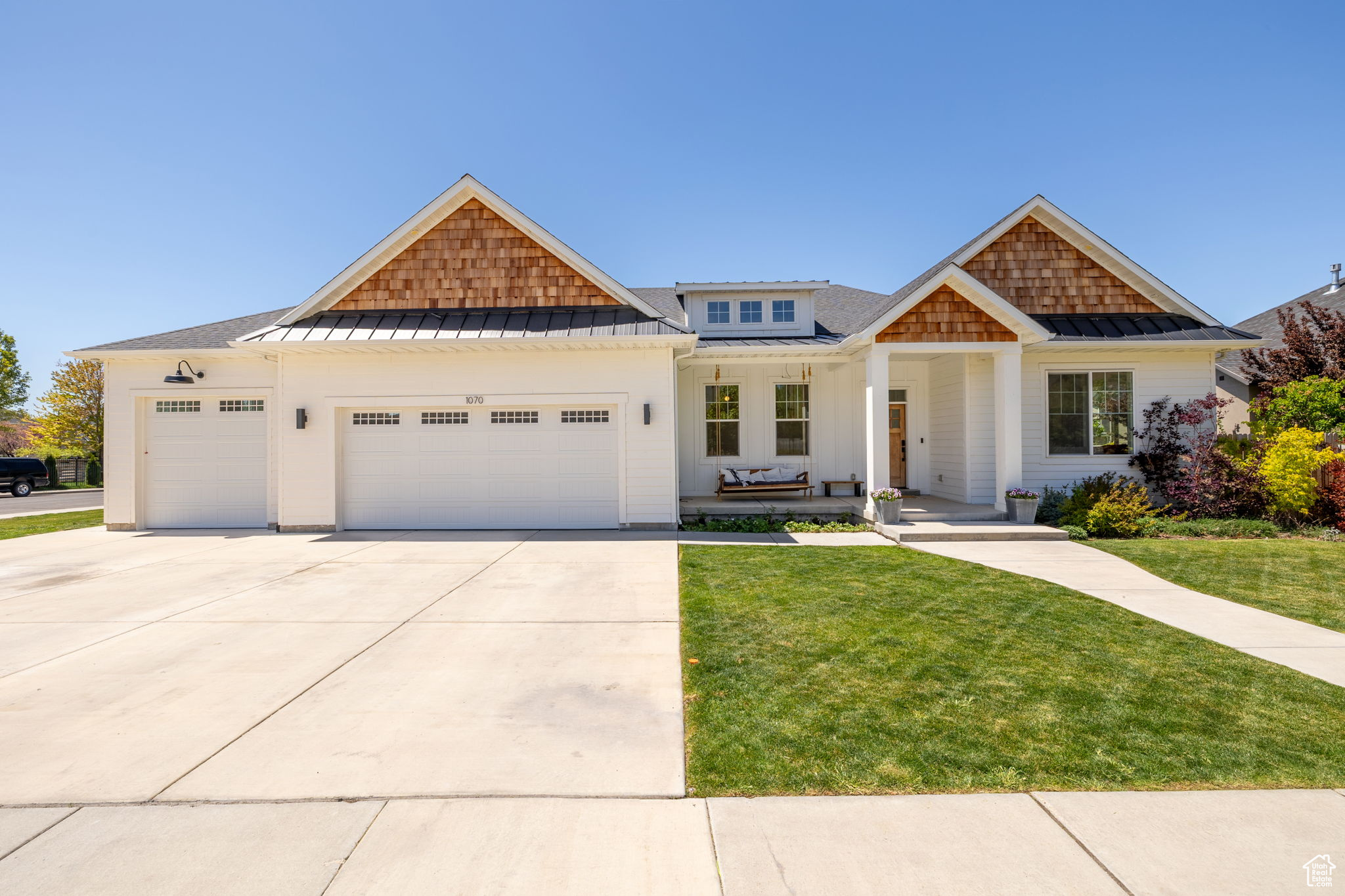
A practical framework for evaluating investment property in Lehi, Provo, Alpine, and surrounding Utah Valley communities.
The asking price is the beginning, not the analysis
Two Utah Valley properties with the same price can create very different outcomes. Rent potential, renovation needs, financing terms, vacancy, maintenance, neighborhood demand, and the investor's timeline can matter more than the headline number.
A useful first pass separates what is known from what is assumed. Current taxes and HOA dues are facts. Future rent growth and appreciation are projections. A disciplined investor labels them accordingly.
Build the local operating picture
Lehi, Provo, Alpine, and nearby communities serve different renters and buyers. Access to employment, universities, transportation, recreation, schools, and new construction can influence demand, but the block and property type still matter.
Before making an offer, compare realistic income with the complete cost of ownership. Leave room for the expenses that do not appear in the mortgage payment.
- Vacancy and leasing costs
- Repairs, capital improvements, and ongoing maintenance
- Property management and utilities
- Taxes, insurance, HOA dues, and financing costs
- A reserve for surprises and slower-than-planned timelines
Match the structure to the plan
A short renovation project, a long-term rental, and an owner-occupied house hack should not be analyzed with the same assumptions. The financing should support the actual plan and include a realistic fallback if rents, costs, or timing change.
My investor conversations focus on the property, the numbers, and the structure together. The goal is not to make every opportunity work. It is to identify which opportunities deserve the next level of diligence.

Cayden Ottley
Cayden is a Utah Realtor® focused on creative financing, investment-minded buying, and practical strategies for complex real estate situations.
Talk with Cayden ↗︎